Safia: computer vision that prevents workplace accidents
A safety team can't watch every camera on a factory floor. Safia turns the cameras a company already has into a 24/7 safety monitor that spots missing protective equipment, forklift collision routes and restricted-zone access, then alerts the team in seconds. I shaped it from the name and the business plan to the product flows and the interface.
Prevention that doesn't scale
Occupational safety teams protect hundreds of workers with walk-throughs, checklists and incident reports. Most risks are only seen after something goes wrong. Cameras are already on the walls, but no one can watch all of them, all the time.
The idea behind Safia is simple to say: prevention that scales with data, not with people.
Safe + IA
The name joins safe with IA, the Portuguese for AI. It reads naturally in both languages and says what the product does. I designed the logo and the pitch deck: black-and-white industrial photography, one strong orange for detections and alerts, and a clean grotesque type.

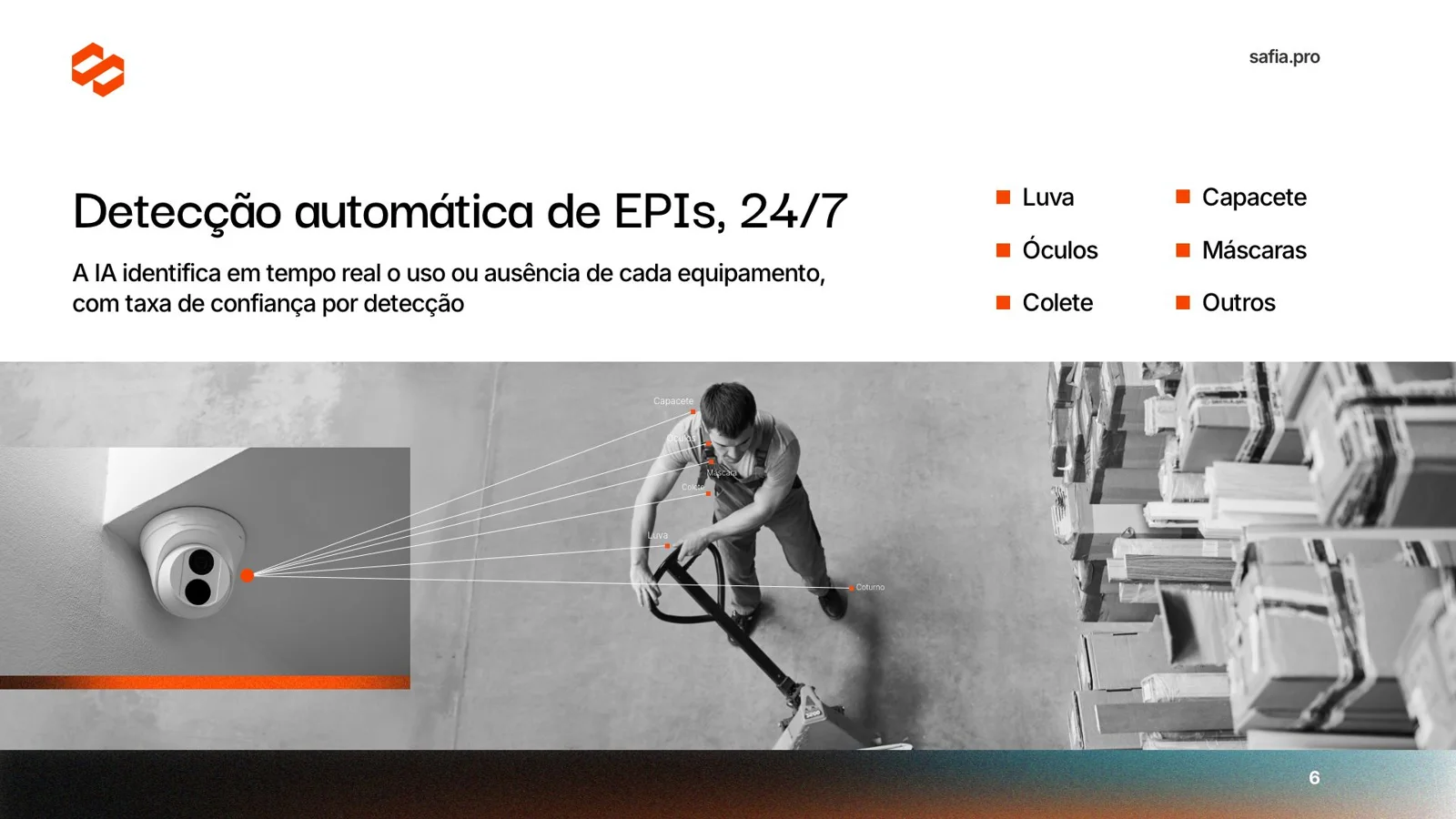
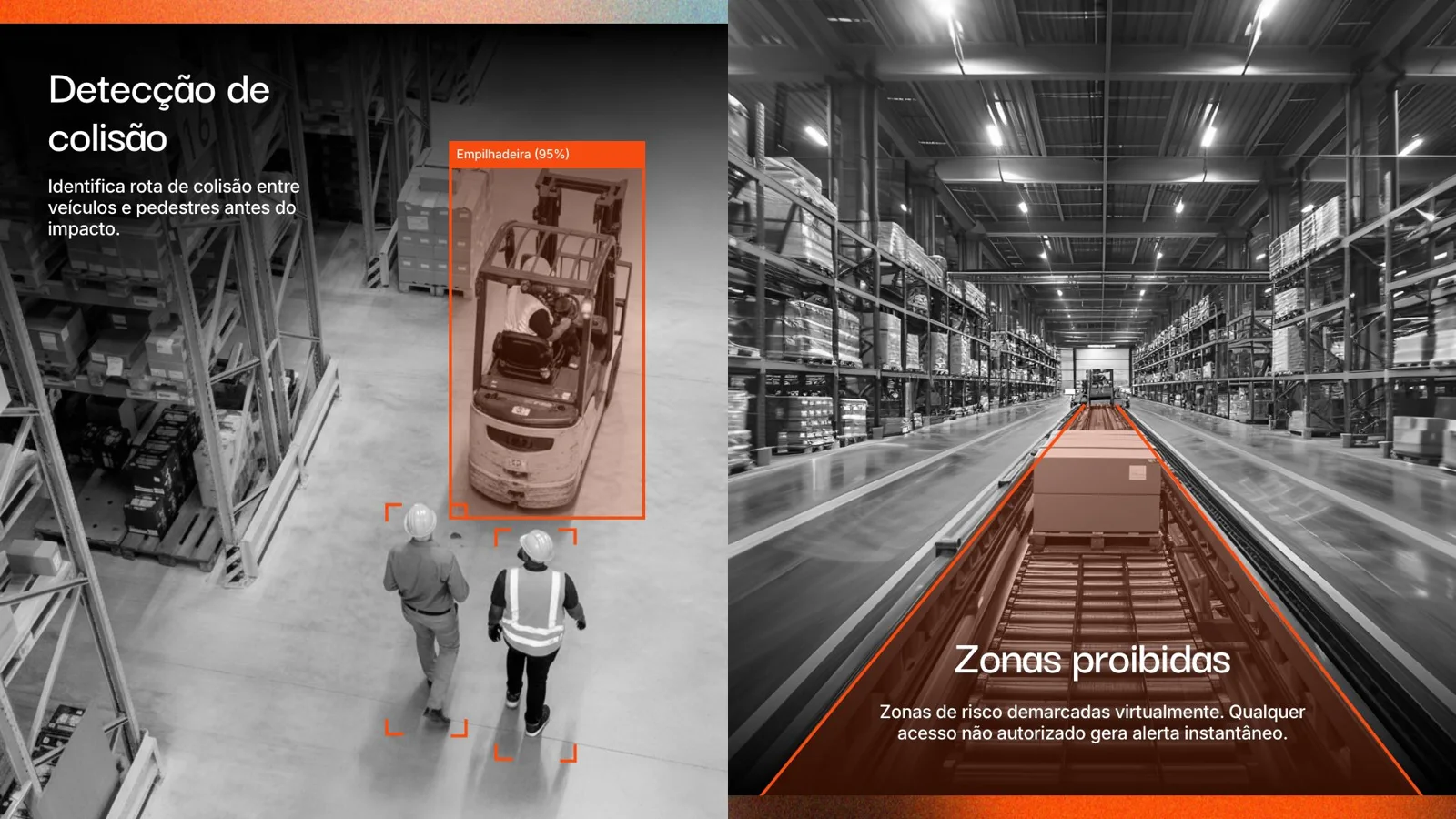
Four steps, no new hardware
I designed how the product works end to end: what gets detected, how alerts reach the safety team and how incidents are reviewed. Our engineering lead defined the technical architecture, including on-premises processing that keeps images inside the customer's network.
- CaptureExisting IP camerasNo equipment replacement, no downtime.
- DetectAI on the local networkMissing PPE, collision routes and zone access, each with a confidence score. Images don't leave the customer's network.
- AlertWhatsApp, by severityValidated in three clicks. Critical alerts trigger a siren and a phone call within about a minute.
- LearnRisk intelligenceWhich areas, shifts and behaviors concentrate risk, with evidence for audits.
The AI flags, a person decides
Every detection becomes an incident that a safety technician reviews. The AI shows the clip and its confidence for each item of equipment. The technician confirms what actually happened, which equipment was missing and who was involved, and leaves a comment.
That human step keeps the AI accountable, builds an audit trail and turns each review into better data for the model.
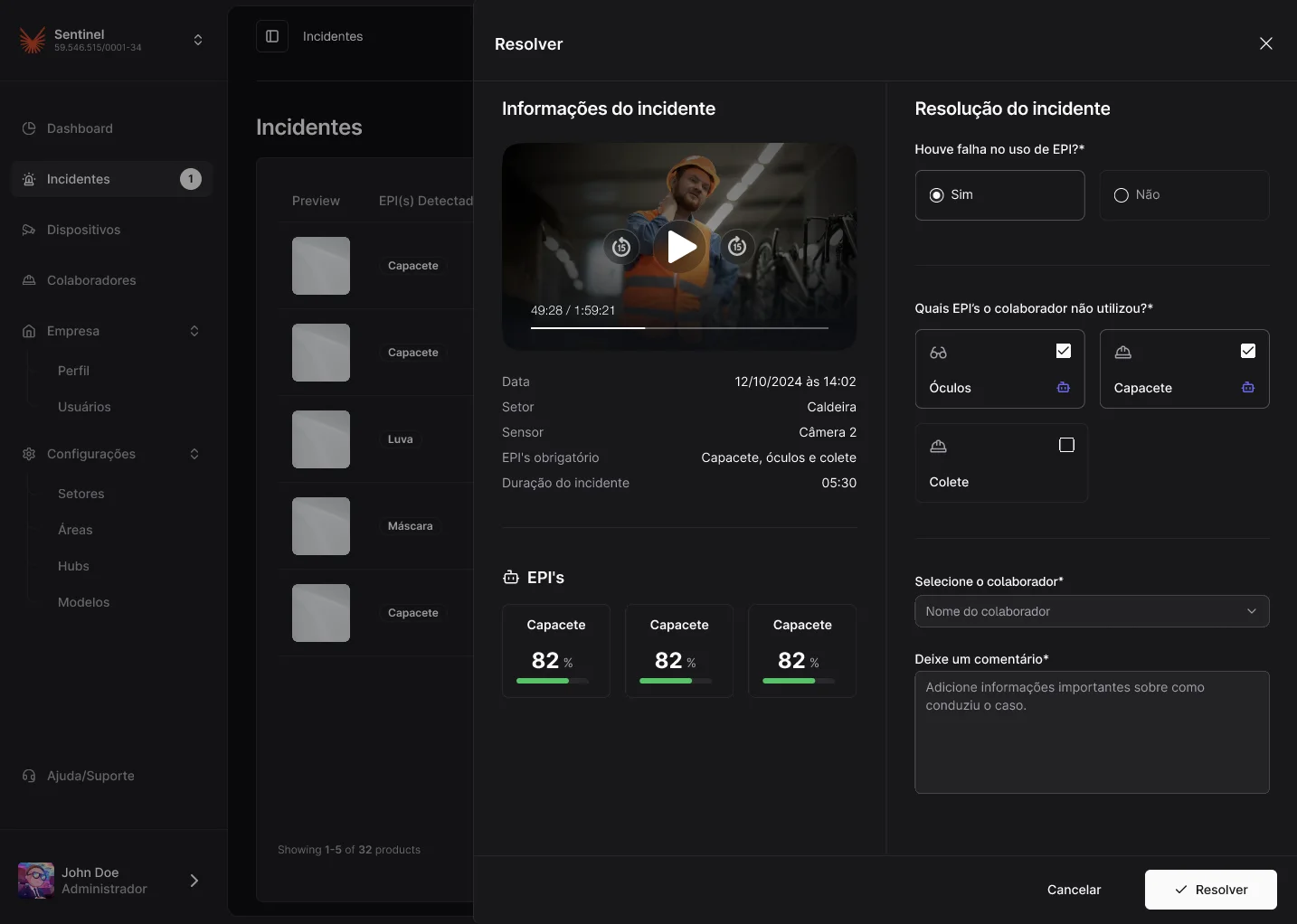
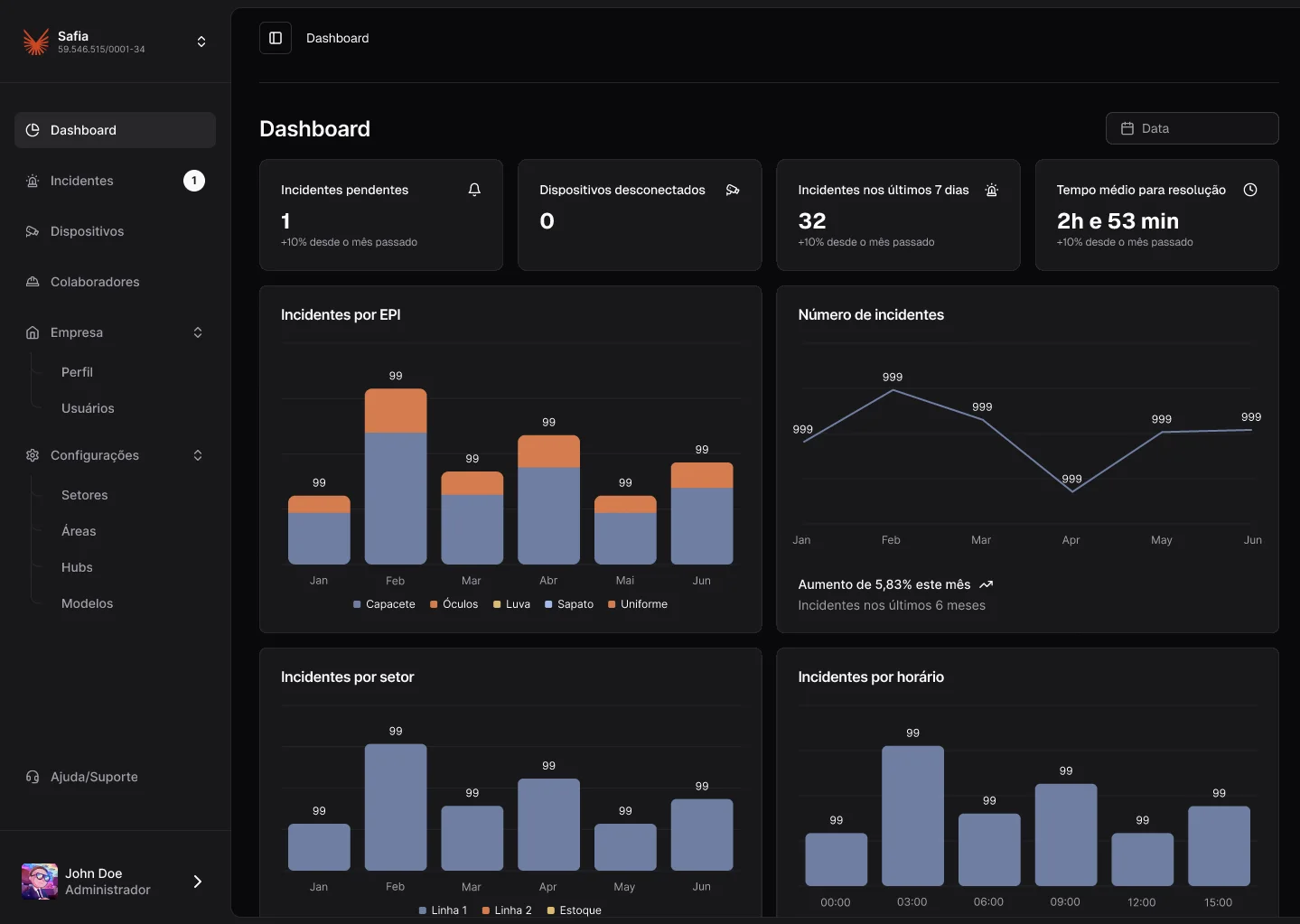
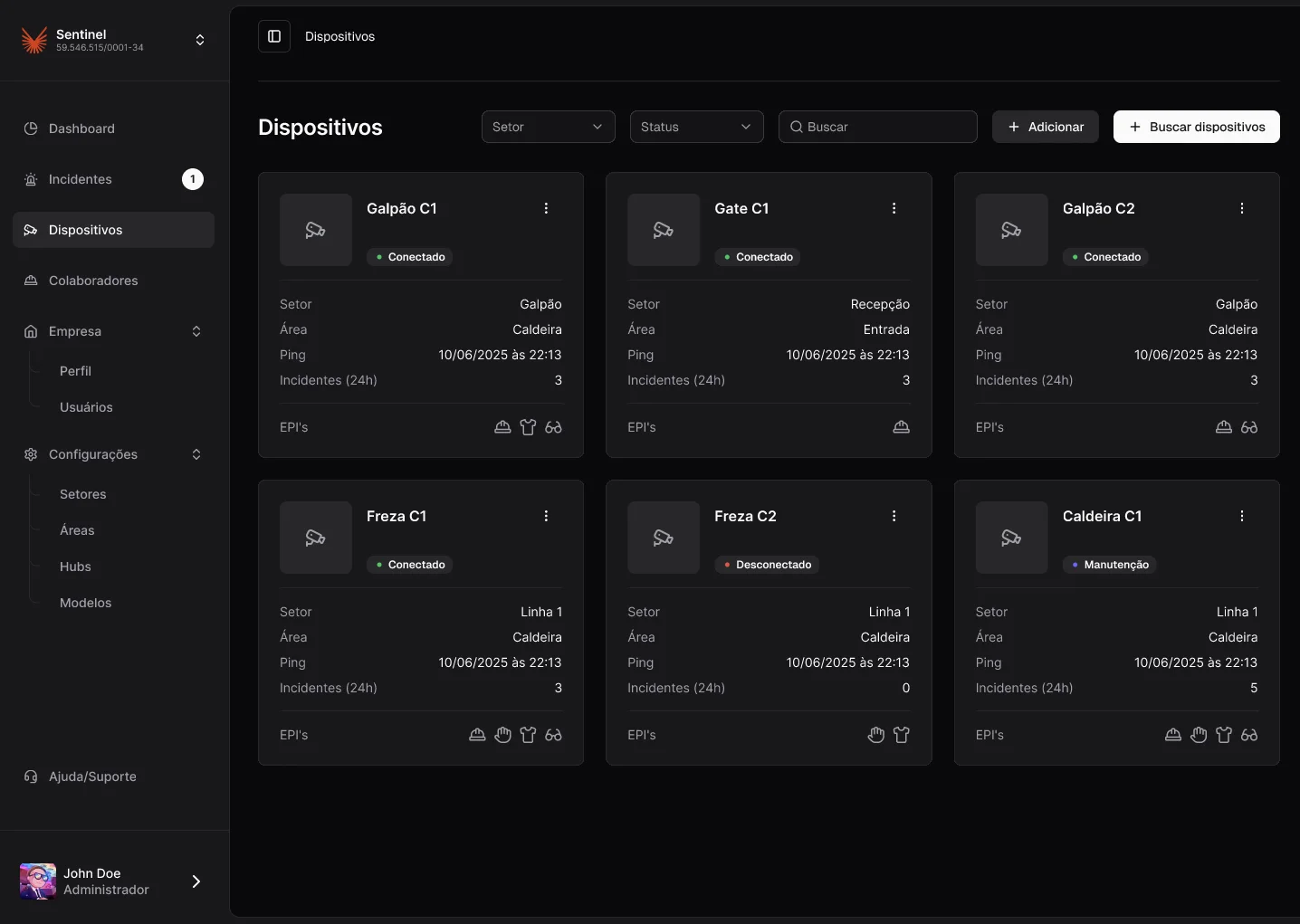
Design screens with sample data.
Grounded in results the market already proved
I wrote the concept and business plan. Computer vision for safety is already proven abroad, so the pitch leans on published results from international vendors and frames Safia as that capability built for Brazilian operations, rules and costs: accident prevention, audit evidence and compliance with Brazil's data protection law.
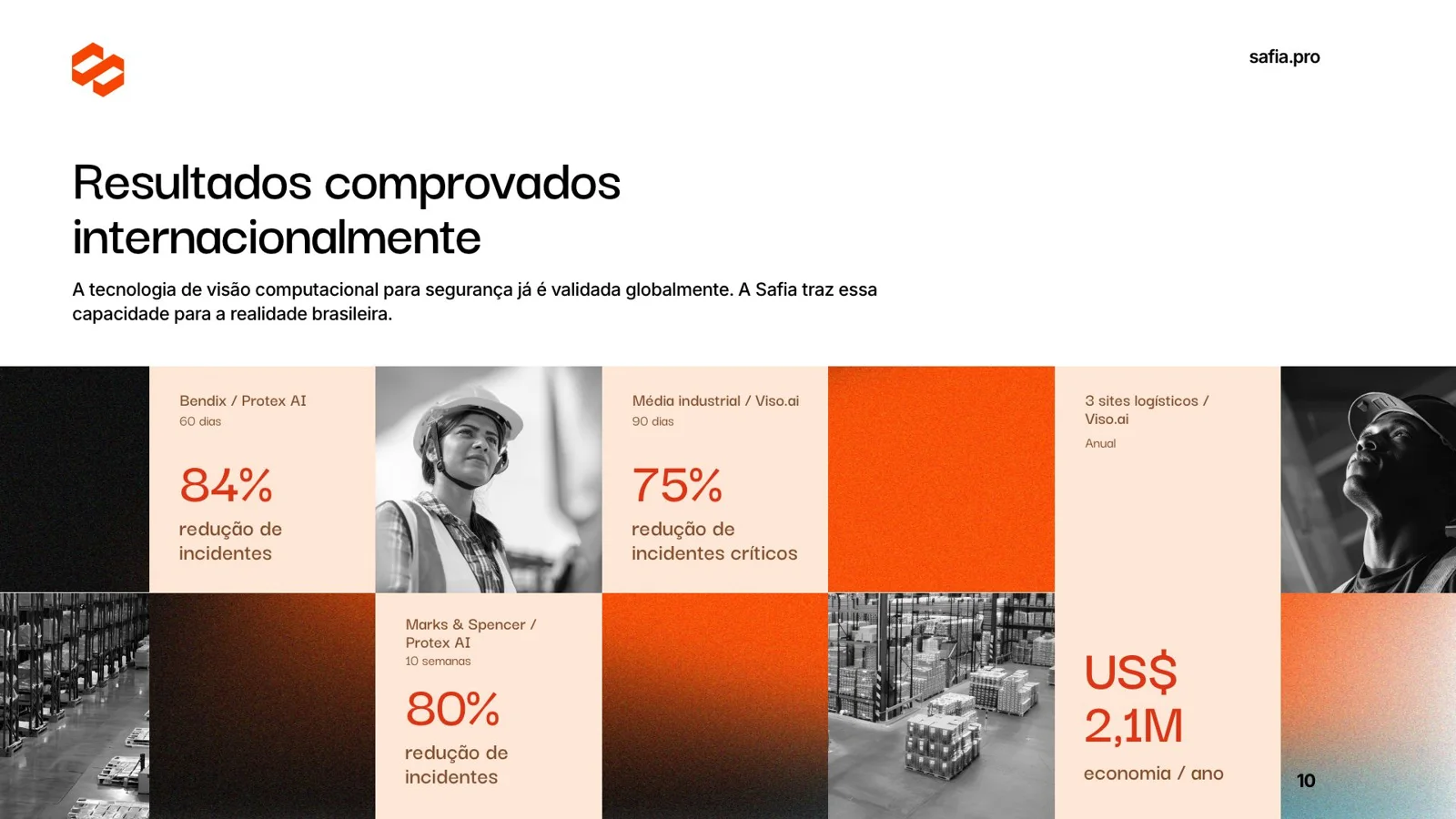
From an idea to a product ready to prove itself
- Brand, name, explainer video and pitch deck, all done.
- Product flows and UI for detection, alerts, incident review and dashboards.
- Live website and proof-of-concept offers made to industrial companies. No pilot signed yet.